

Launching a website today is easier than ever, but choosing the right web hosting provider remains one of the most critical decisions for long-term success. Many website owners focus heavily on design, content, and marketing while overlooking the infrastructure that keeps their website running smoothly. Web hosting acts as the foundation of every website. Without reliable hosting, even the most beautifully designed website can suffer from slow performance, downtime, and security risks.
Whether you are creating a personal website, an e-commerce platform, or a corporate site, the web hosting service you select will affect your site’s speed, dependability, protection, and ability to grow. Inadequate hosting can result in disappointing experiences for users, diminished rankings in search engines, and missed business chances. Conversely, top-notch hosting guarantees your site loads swiftly, stays protected, and can accommodate rising visitor traffic as your online identity expands.
Knowing how to pick the ideal hosting service demands thoughtful examination of multiple aspects. From assessing your site’s requirements to reviewing server efficiency, safety features, and customer service, each phase is crucial in making an informed choice. By adopting an organized method, webmasters can steer clear of frequent errors and opt for a hosting option that aligns with their future objectives.
This guide explores seven essential steps that will help you choose the best web hosting for your website. These steps provide a practical framework for evaluating hosting providers and understanding which features truly matter for performance, reliability, and growth.
Step 1: Understand Your Website’s Hosting Requirements
Before selecting a web hosting provider, the first step is to understand the specific needs of your website. Different types of websites have different hosting requirements. A small personal blog or portfolio website typically requires fewer resources compared to an e-commerce store or a business platform that handles high traffic and large volumes of data. Understanding the purpose of your website allows you to determine how much server capacity, storage, and performance you will need.
Website administrators need to take into account elements such as anticipated visitor numbers, the nature of their content, and how the website operates. For instance, sites that include substantial multimedia elements or require user engagement may have the need for greater bandwidth and more powerful servers. Likewise, companies intending to grow rapidly should select hosting services that provide adaptable upgrade options. By assessing these necessities at an early stage, it is possible to prevent the choice of hosting arrangements that either do not meet performance standards or lead to unnecessary expenses.
Another crucial factor is the content management system or the platform your site is built on. Systems like WordPress, Magento, or tailored web applications often have distinct hosting needs. Some hosting services provide optimized setups crafted for specific platforms, which helps to secure improved performance and greater compatibility. Spending time to review these technical specifications ensures that your hosting setup can support your website effectively.
Step 2: Evaluate Server Performance and Speed
Website loading speed is vital for both user experience and the optimization for search engines. Today’s online users anticipate websites to appear in a matter of seconds, and even minor delays can drive them away. Search engines also give preference to quicker sites in their rankings, making the performance of hosting crucial for online visibility.
The speed at which a website operates is greatly impacted by the quality of the hardware used in servers, the setup of data centers, and the strength of network connections. Hosting companies that utilize cutting-edge technologies such as NVMe storage, tailored server setups, and sophisticated caching mechanisms can achieve notably faster loading speeds. These characteristics allow for swift processing of website files and their efficient delivery to users in various locations.
Server resource management is another critical element that can influence performance. In environments where hosting is shared, numerous websites utilize the same server resources, which may sometimes lead to performance issues during high traffic periods. More sophisticated hosting alternatives, like VPS or cloud hosting, provide exclusive resources and enhanced reliability. Recognizing how server performance affects your website enables you to make a wise choice when selecting a hosting provider.
Step 3: Consider Reliability and Uptime Guarantees
Reliability ranks among the top attributes of a web hosting service. If your site regularly goes down, it will rapidly erode the confidence of your users in your service. Periods of unavailability can result in financial losses and harm your rankings on search engines. For organizations that depend significantly on their online footprint, steady uptime is crucial.
Many respected hosting services guarantee uptime, typically vowing to maintain availability rates of 99.9 percent or above. Nonetheless, site administrators should also assess the provider’s underlying infrastructure and monitoring capabilities. Hosting firms that manage quality data centers, have backup network connections, and implement proactive monitoring systems are more capable of minimizing downtime.
Additionally, the speed at which hosting services address technical problems is another vital aspect. Trustworthy providers have technical teams that oversee server operations at all times. When challenges occur, these teams act swiftly to address them and restore functionality. Opting for a hosting service recognized for its reliability ensures your site stays accessible and trustworthy for users.
Step 4: Analyze Security Features and Protection Measures
Website security has become increasingly important in today’s digital environment. Cyber threats such as malware, hacking attempts, and data breaches can affect websites of all sizes. A secure hosting environment helps protect both website owners and their visitors from these risks.
High-quality hosting providers implement multiple layers of security to safeguard websites. These may include firewalls, malware scanning, DDoS protection, and regular security updates. Many providers also offer free SSL certificates, which encrypt data transmitted between the website and its visitors. SSL encryption not only improves security but also builds trust and supports search engine optimization.
Another important aspect of security is automated backup systems. Regular backups ensure that website data can be restored quickly in case of unexpected problems. Hosting providers that offer daily or automatic backups give website owners additional peace of mind. By selecting a hosting service with strong security features, you can significantly reduce the risk of data loss and cyber attacks.

Step 5: Evaluate Scalability and Future Growth
As websites grow, their hosting needs often change. A hosting plan that works well for a new website may not be sufficient as traffic increases and content expands. Scalability refers to the ability of a hosting provider to accommodate these changes without requiring complex migrations or interruptions.
Flexible hosting solutions allow website owners to upgrade resources such as storage, bandwidth, and processing power as needed. This ensures that the website continues to perform well even as demand increases. Hosting providers that offer multiple hosting options, such as shared hosting, VPS hosting, and cloud hosting, provide greater flexibility for long-term growth.
Planning for scalability also helps businesses avoid performance issues during sudden traffic spikes. For example, websites that run promotional campaigns or seasonal sales may experience large increases in visitor numbers. A scalable hosting environment can handle these spikes smoothly, ensuring consistent performance for all users.
Step 6: Compare Customer Support and Technical Assistance
Even experienced website owners occasionally encounter technical challenges. When issues arise, reliable customer support becomes extremely valuable. Hosting providers that offer responsive and knowledgeable support teams can resolve problems quickly and minimize disruptions.
Quality customer support typically includes multiple communication channels such as live chat, email, and phone assistance. Some providers also offer extensive knowledge bases and tutorials that help users troubleshoot common problems independently. These resources can be particularly helpful for beginners who are learning to manage their websites.
Another aspect to consider is the availability of support services. Hosting providers that offer 24/7 support ensure that assistance is available at any time, regardless of time zones or business hours. Reliable support services contribute significantly to the overall hosting experience and can make managing a website much easier.
Step 7: Assess Pricing, Value, and Hosting Features
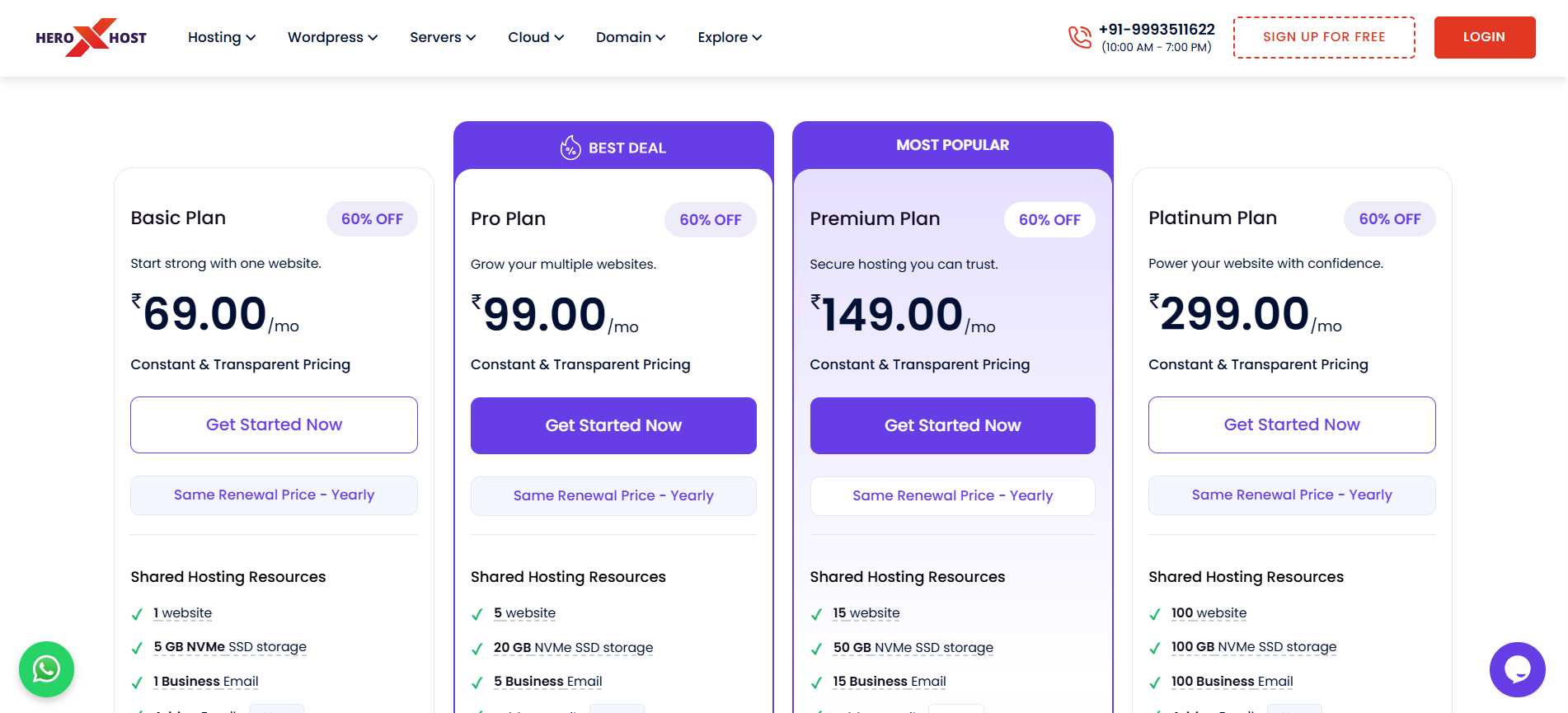
Pricing is often one of the first factors people consider when choosing web hosting, but it should not be the only factor. Extremely cheap hosting plans may appear attractive initially but may lack important features such as reliable performance, security, or customer support. Instead of focusing solely on price, website owners should evaluate the overall value offered by the hosting provider.
Features such as free domain registration, SSL certificates, automated backups, email hosting, and website builders can add significant value to hosting plans. These features reduce the need for additional services and simplify website management. Understanding what is included in each hosting plan helps website owners make more informed decisions.
It is also important to review renewal pricing and contract terms. Some hosting providers offer low introductory prices that increase significantly during renewal. Transparency in pricing helps ensure that website owners can maintain their hosting services with
out unexpected expenses.
Why Choosing the Right Web Hosting Matters
Selecting the right web hosting provider is not simply a technical decision; it is a strategic one that influences the long-term success of your website. Reliable hosting improves user experience, strengthens website security, and supports search engine visibility. These factors collectively contribute to building trust with visitors and establishing a strong online presence.
Businesses and individuals who invest time in evaluating hosting providers often benefit from better performance and fewer technical challenges. By following a structured decision-making process, website owners can identify hosting solutions that align with their goals and ensure sustainable growth.
Conclusion
Choosing the best web hosting provider requires careful consideration of several important factors. Understanding your website’s requirements, evaluating server performance, ensuring reliability, and prioritizing security all play essential roles in the decision-making process. Scalability, customer support, and pricing transparency further contribute to selecting a hosting provider that supports long-term success.
By following these seven essential steps, website owners can confidently select a hosting solution that delivers speed, stability, and security. A well-chosen hosting provider not only supports current website needs but also enables future growth as your online presence expands.
Investing in reliable web hosting is ultimately an investment in the success and sustainability of your website.
Frequently Asked Questions (FAQs)
1. What is web hosting and why is it important?
Web hosting is a service that allows websites to be stored on servers and accessed through the internet. Without hosting, websites cannot be viewed by users online.
2. How do I know which hosting type is right for my website?
The right hosting type depends on your website’s size, traffic levels, and technical requirements. Small websites often start with shared hosting, while larger websites may require VPS or cloud hosting.
3. Does web hosting affect website speed?
Yes, hosting significantly impacts website speed. High-performance servers and optimized infrastructure can improve loading times and overall user experience.
4. Is security important when choosing web hosting?
Security is extremely important because it protects websites from cyber threats, data breaches, and malware attacks.
5. Can I upgrade my hosting plan later?
Most hosting providers offer scalable plans that allow you to upgrade resources as your website grows.