Choosing the right web hosting service is one of the most important considerations when creating a website. For beginners, startups, bloggers, and small business owners, the best shared hosting plan remains the most used and cost-effective plan. But when it comes to shared hosting plans, they don’t all offer the same benefits. What makes the difference between a quality and consistent online experience and a mediocre one is the selection of the most appropriate shared hosting plan. The information in this guide should be useful to you in learning about shared web hosting services, what to look for in shared web hosting plans, how to evaluate pricing and cost factors in shared web hosting services, and how to make an informed choice regarding a shared web hosting service that best suits your needs.
Understanding What Shared Hosting Really Is
Shared hosting is a hosting service that enables different websites to share the resources of a server. The server resources include CPU, RAM memory, disk space, and access to bandwidth. This reduces the cost of the server by splitting the cost across the users. The cost of shared hosting is therefore considered low. Users who want to procure shared hosting for personal websites or blogs would require the necessary features without having to consider the complexity or expense associated with a VPS or a dedicated hosting server. Of course, the key would be to ensure that the host is able to efficiently distribute resources and not let one account affect the rest.
Why Shared Hosting Is Still a Smart Choice
Even in the presence of cloud and VPS technology, shared hosting remains the most used option in the world. This is mainly because shared hosting is easy and cost-effective. Cost-effective shared hosting plans can allow anyone to be online without requiring technical knowledge. The major shared hosting providers allow for a preconfigured setup and use one-click installations. For new website owners, bloggers, internet entrepreneurs, and small business entities, cheap shared hosting represents a very low-risk platform that allows you to test an idea, create an internet presence, and then scale up as you go forward. With the best shared hosting, you can enjoy top-notch performance, security, and reliability without breaking the bank.
Evaluating Shared Hosting Plans Carefully
The best shared hosting plans are not all created equally. When you compare your choices, do not focus only on the price. Consider what is included with each plan. Lower-cost plans are tempting but often come with limitations regarding storage, bandwidth, and site limits. A best shared hosting plan needs to have a clear definition of resource allocation, its scalability, and the inclusion of essential features such as email hosting, database creation, and management of the websites. Whether you want to host a single website or numerous domains, choosing flexible shared hosting plans can be very helpful.
Understanding Shared Hosting Pricing and Cost Structure
One of the most common mistakes users make is choosing hosting solely based on the lowest advertised price. Best shared hosting pricing can vary widely depending on renewal costs, included features, and performance guarantees. Introductory pricing may be low, but always check renewal rates and long-term value. A slightly higher best shared hosting cost often includes better uptime, faster servers, stronger security, and responsive support. When comparing plans, focus on total value rather than just monthly pricing.
Performance and Speed Matter More Than You Think
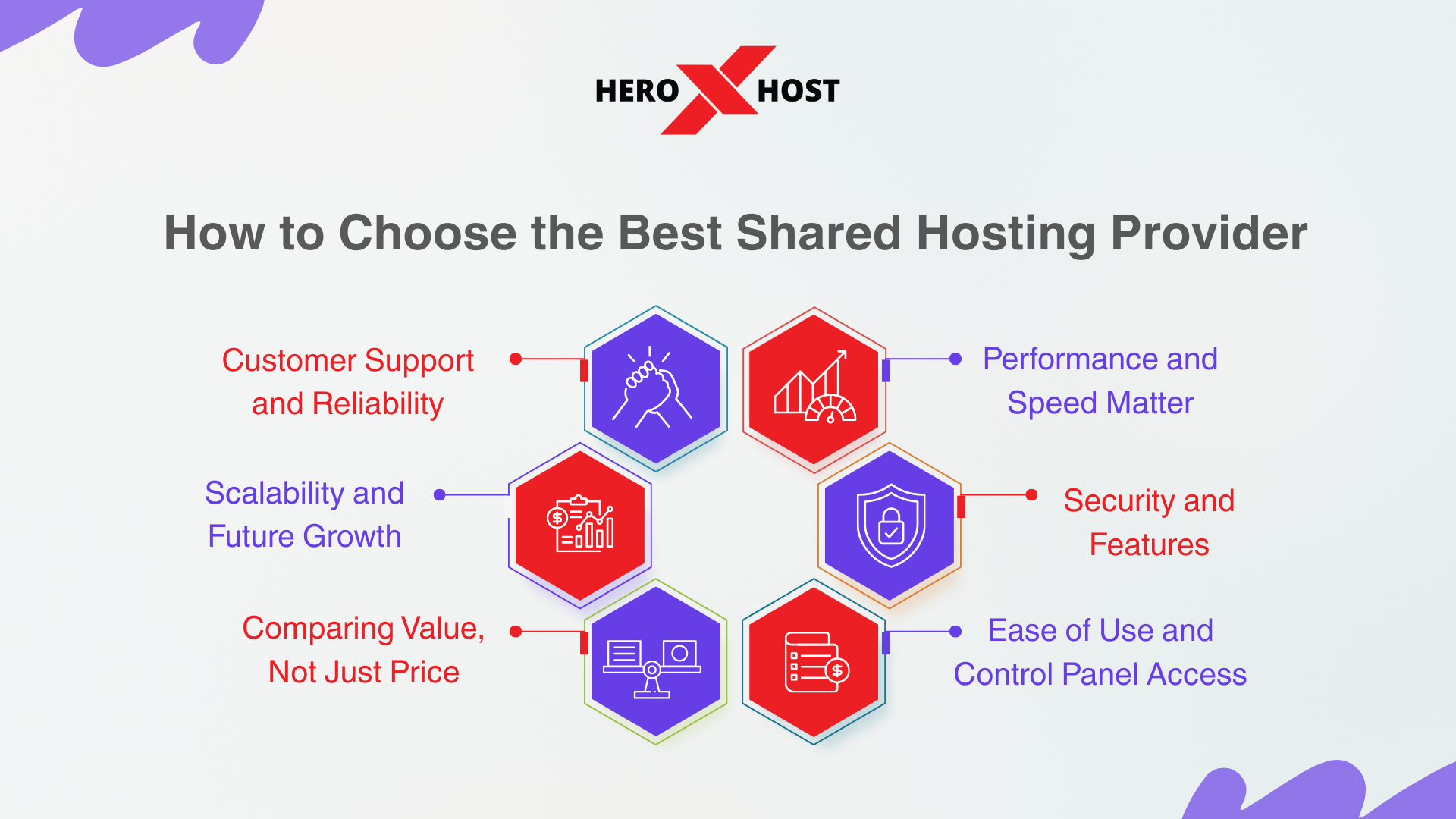
Website speed is a large factor in user experience, SEO rankings, and conversions. The best shared hosting service providers have invested in high-end technologies such as SSD drives, NVMe drives, optimal server configurations, and high-performance web servers. Quality hosting providers, even for shared environments, deploy techniques like resource isolation, caching, and traffic management for consistent service reliability. If your website is slow to spin up or frequently unavailable, that is a hosting provider issue, not a website issue itself.
Security Features You Should Never Ignore
When your website shares a server with other websites, security isn’t something you can afford to take lightly. A best shared hosting provider treats security as a basic requirement, not an optional upgrade. Features like free SSL certificates, malware protection, firewalls, and regular server updates should already be included. You should also look for hosting companies that go the extra mile with account isolation, automatic backups, and round-the-clock monitoring. These protections help keep your site safe from issues caused by other users on the same server and ensure your data isn’t lost if something goes wrong. Hosting that’s cheap but insecure often ends up costing more through downtime, hacks, or lost data.
Ease of Use and Control Panel Access
Running a website shouldn’t feel complicated or stressful. For most people, especially beginners, an easy-to-use control panel makes all the difference. Reliable shared hosting providers offer simple dashboards that let you manage files, emails, databases, and domains without confusion. Before you buy the best shared hosting, check whether the interface feels clean and easy to understand. A well-organized control panel saves time, prevents mistakes, and helps you stay in control of your website—even if you don’t have technical experience.
Customer Support and Reliability
You may not think much about customer support until something stops working. When that moment comes, fast and helpful support matters more than anything. The best shared hosting company offers 24/7 support with real people who know how to fix hosting problems. Quick replies, clear guidance, and genuine assistance show that a hosting provider can be trusted. Reliable support means less downtime, fewer headaches, and peace of mind—especially if your website is important for your business or income.

Scalability and Future Growth
Shared hosting is great when you’re starting out, but websites grow over time. As your traffic increases or your needs change, your hosting should be able to keep up. A dependable hosting provider makes it easy to upgrade to VPS, cloud, or dedicated servers when the time is right. Choosing the best shared hosting company that supports growth means you won’t need to switch providers later. This makes expansion smoother, reduces risks during migration, and keeps your website running consistently as it evolves.
Comparing Value, Not Just Price
It’s tempting to go for the lowest price, but the cheapest option isn’t always the best one. The best shared hosting provider focuses on giving real value—strong performance, good security, and dependable support—at a fair price. Instead of comparing prices alone, look at what each plan actually offers. Paying a little more for affordable shared hosting with reliable features can save you from problems like slow speeds, downtime, or security issues later on.
Conclusion
Choosing shared hosting isn’t just about finding the cheapest deal. It’s about picking a solution that fits your needs and supports your goals. By understanding shared hosting plans, reviewing shared hosting pricing and cost carefully, and focusing on security, performance, and support, you can choose the best shared hosting provider with confidence. Whether you’re launching your first website or growing an online business, the right shared hosting company gives you a strong, reliable foundation to build on.
Frequently Asked Questions (FAQs)
1. What is shared hosting best used for?
Ans. Shared hosting is ideal for blogs, personal websites, small business sites, portfolios, and low-to-moderate-traffic websites.
2. Is cheap shared hosting reliable?
Ans. Cheap shared hosting can be reliable if the provider maintains quality infrastructure, security, and support. Always compare features, not just price.
3. How much does shared hosting cost?
Ans. Shared hosting costs typically range from low monthly fees to higher renewal prices depending on features, performance, and support quality.
4. Can I upgrade later from shared hosting?
Ans. Yes. Most shared hosting providers offer upgrade paths to VPS or cloud hosting as your website grows.
5. Should I buy shared hosting for an eCommerce website?
Ans. Shared hosting can work for small eCommerce sites, but higher-traffic or transaction-heavy stores may require VPS or cloud hosting for better performance.